
About Me
Mechanical engineer with experience in mechanical product development, prototyping, and testing, combined with hands-on robotics simulation and real-robot deployment. Seeking mechatronics and physical-AI roles focused on hardware integration, actuator development, and validation in collaboration with mechanical R&D, AI, and customer teams.
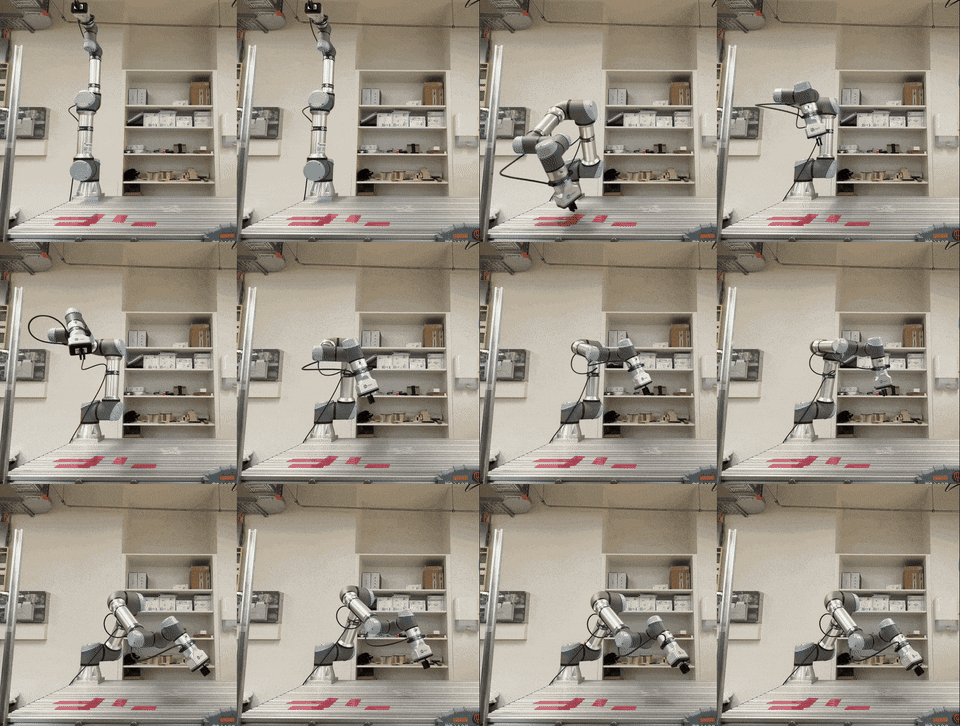
Master Thesis, IDEALLab — ETH Zurich · Sept 2025 - Mar 2026
Reinforcement Learning for Robotic Assembly
Master thesis on reinforcement learning for robotic assembly tasks. I built a training environment in NVIDIA Isaac Sim where a UR5e arm learns a reaching task, then deployed the learned policies on the real robot. Sim-to-real performance analysis, policy tuning and domain randomization brought real-world accuracy below 5 mm across the workspace. The full pipeline — simulation, training, deployment and evaluation — is open source.
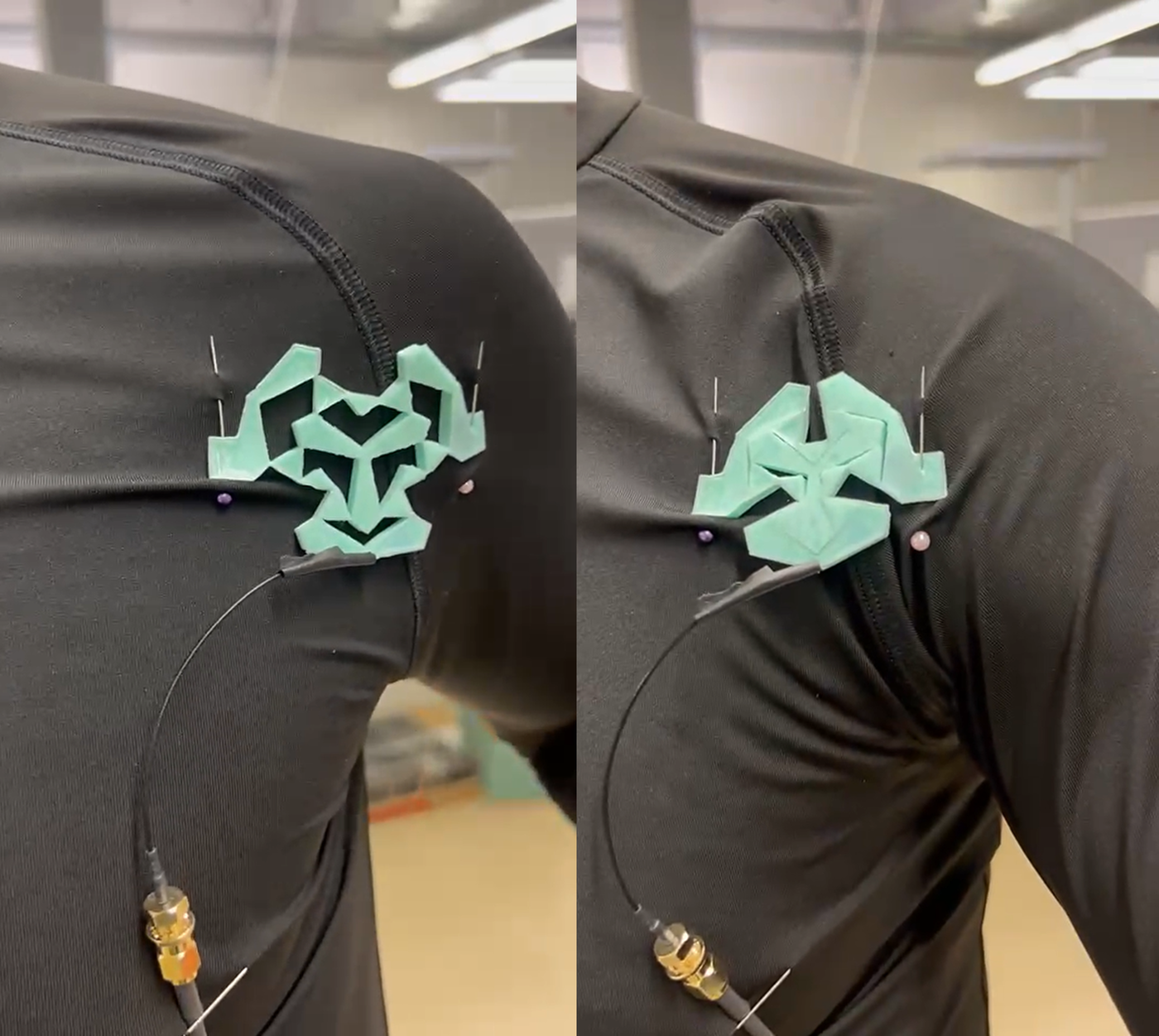
R&D Project, BMHT Lab · Spring 2025
Wearable Kirigami Antenna for Motion Monitoring
Semester project turning an early concept into a testable wearable antenna for motion monitoring. I designed 3D-printed molds in SolidWorks, cast the silicone kirigami structures and integrated the antenna. Mechanical behavior and RF response were characterized on a traction machine and a vector network analyzer, then the wearable was evaluated during real human-motion trials — closing the loop from idea to validated prototype.
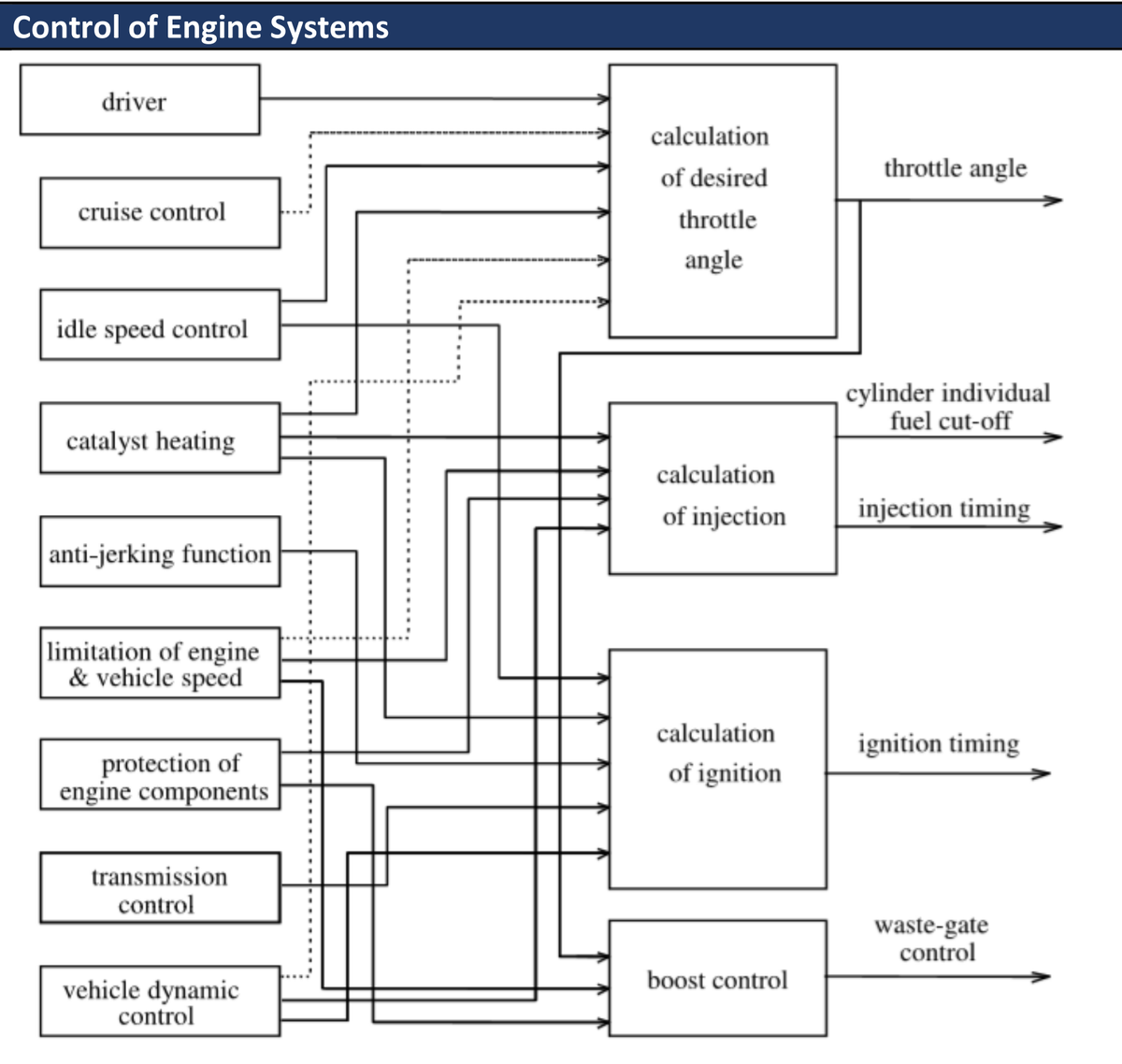
Engine Systems Group Project · Autumn 2024
Idle Speed Control of SI Engine
Group project in the Control of Engine Systems course: modeling and control of a spark-ignition engine at idle. I developed a Simulink model of the engine dynamics and its key components, then designed an idle-speed controller on top of it. Model and controller were tuned against test-bench measurements until the engine held a stable idle with minimal oscillation — a hands-on lesson in model-based control design and validation.